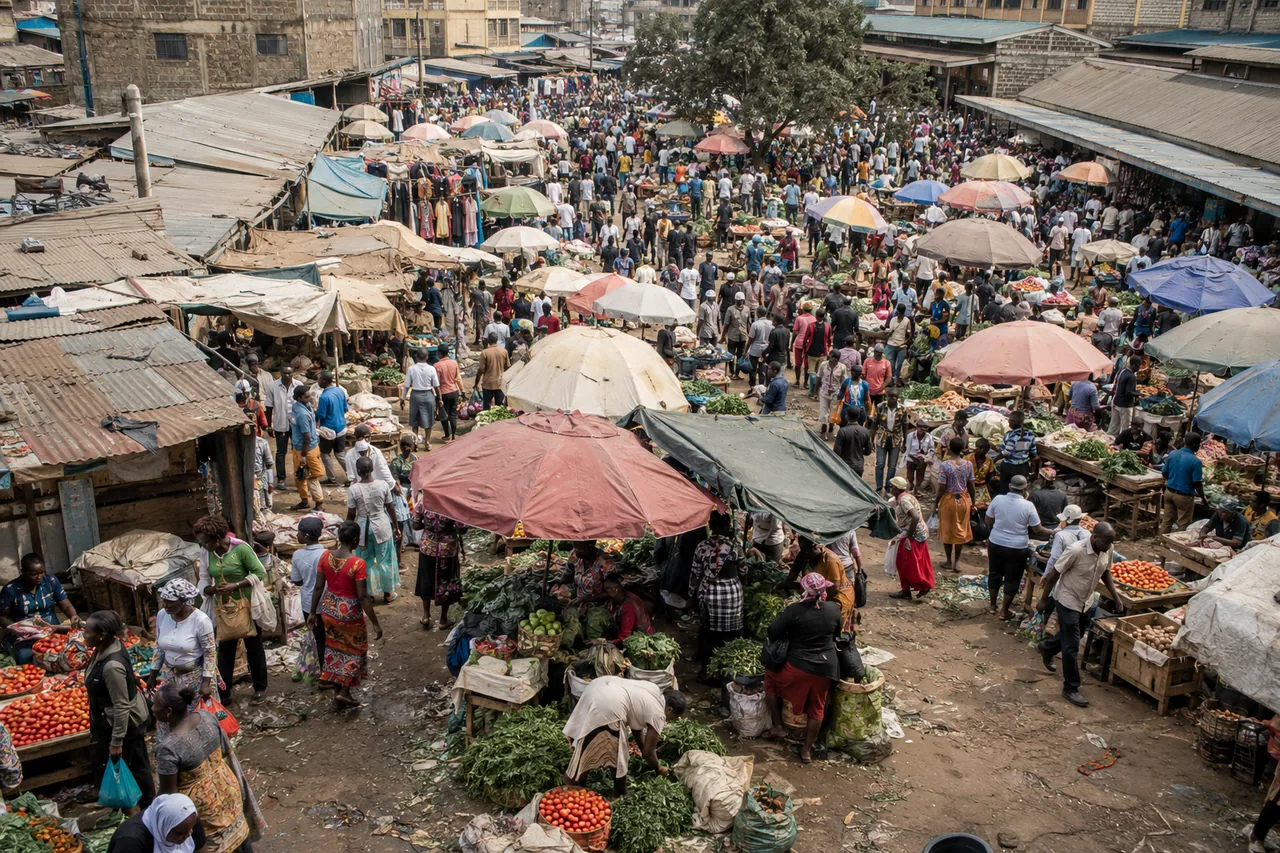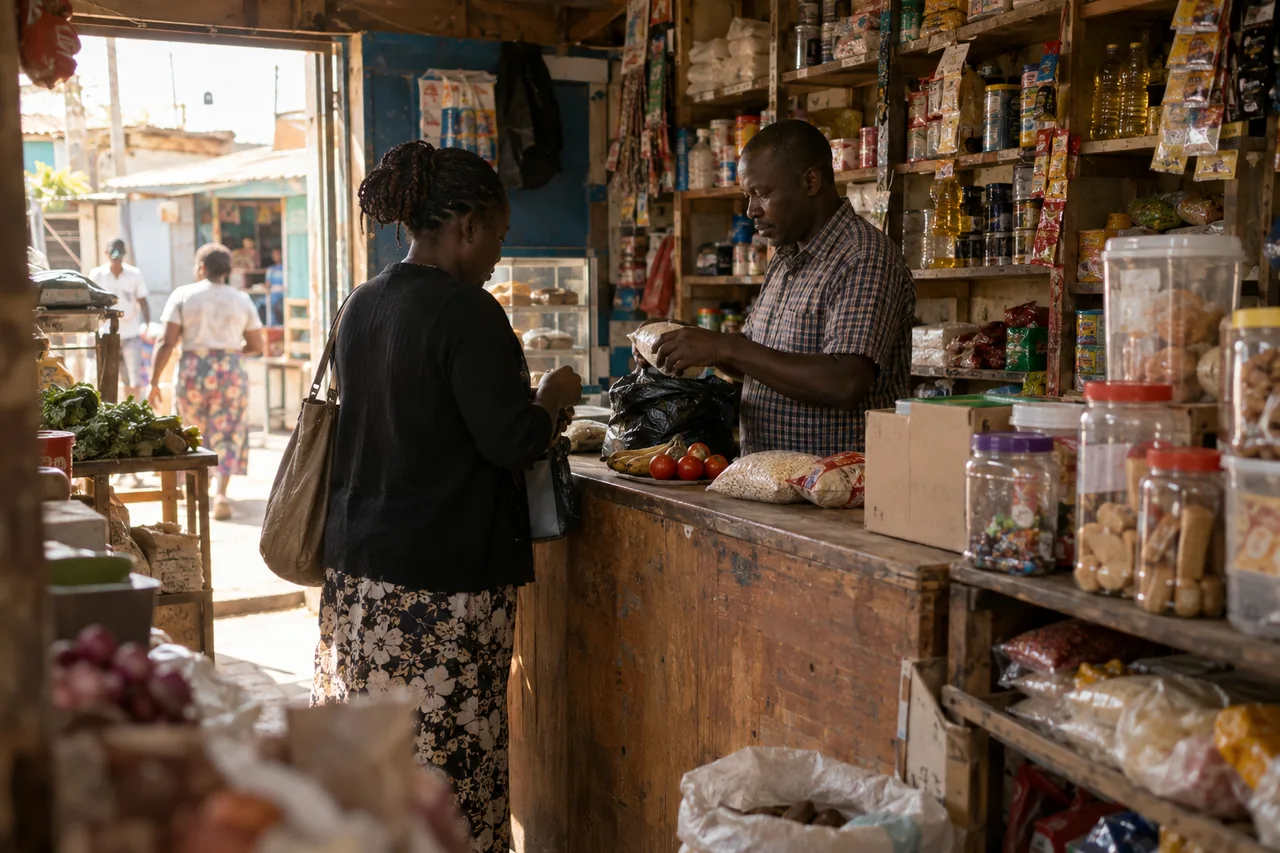
The Mama Mboga advertising playbook
The smallest businesses have the tightest feedback loop between a customer arriving and money in the till. That makes them the best possible test of whether advertising works.
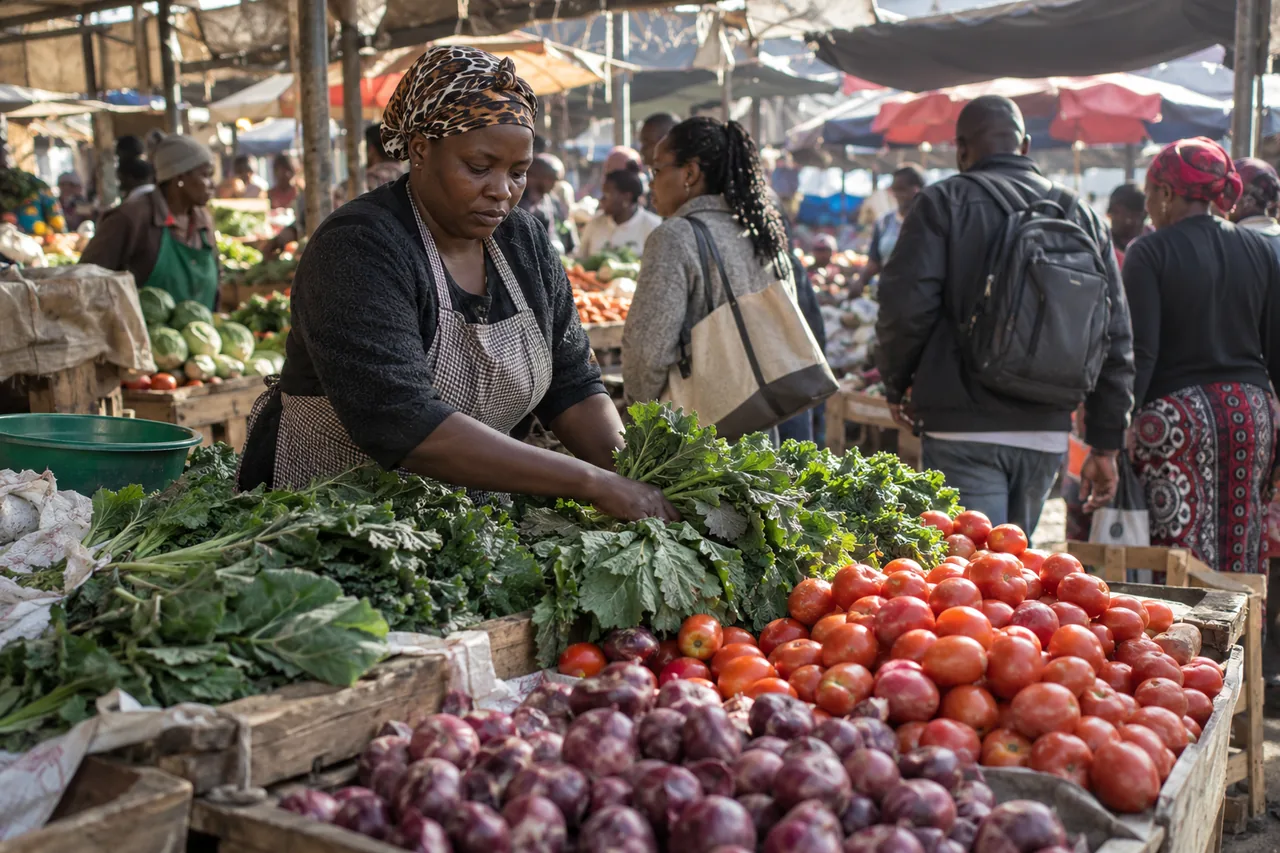
A vegetable stall does not have a marketing department, a brand budget or a quarterly review. It has a stretch of road, a set of regulars, and a very clear sense of whether today was better than yesterday. That clarity is exactly why reward-based advertising works so well at the smallest scale.
Rule one: the reward must be worth the walk
A consumer will change their route for a real, immediate benefit and will not for a vague one. A voucher worth the price of a bunch of sukuma, redeemable today, moves people. A loyalty card that pays out on the tenth visit does not.
Rule two: keep the radius honest
The buyers who matter live or work within walking distance. Targeting further than that buys attention from people who will never come. Hyper-local is not a limitation for an MSME; it is the entire point.
Rule three: count arrivals, not views
- Every redemption at the stall is a verified visit.
- Every visit has a cost attached, so the owner knows the price of a new customer.
- Every repeat redemption within the month is retention, measured.
- None of this requires a spreadsheet; it lands in TAM as it happens.
If it works for a stall with one owner and no staff, it is not complicated. It is just measurable.
The businesses that will grow fastest on Teleeza are not the ones with the biggest budgets. They are the ones closest to their own till.
Written by Teleeza Insights