MSME advertising in Kenya, by the numbers
Kenya runs on micro, small and medium enterprises. Most of them advertise; almost none of them can say what it bought. The data on where the money goes and why it rarely comes back.

Micro, small and medium enterprises are not a segment of the Kenyan economy; they are most of it. The 2016 KNBS survey counted about 7.4 million of them, employing around 14.9 million people and producing about a third of GDP. And a striking number of them spend money on advertising every month without any way to say what it returned.
Where the shilling goes
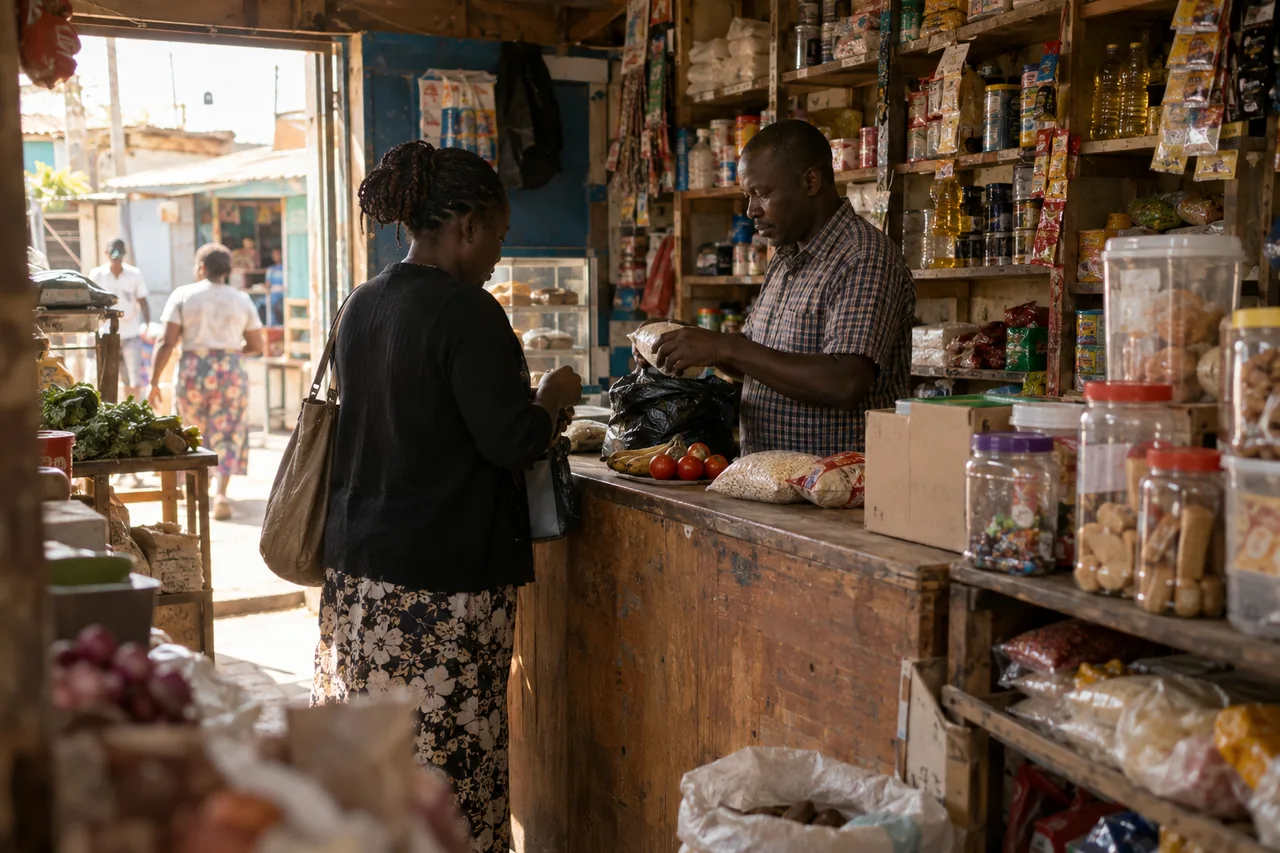
Ask a Mama Mboga, a hardware shop or a salon what they spend on marketing and the honest answer is usually a list rather than a number: boosted posts, a banner, a WhatsApp broadcast, sometimes a radio mention around a holiday. It is fragmented, it is reactive, and the total is rarely written down.
- Boosted social posts, because they are the easiest thing to buy.
- Print and signage, for street-facing businesses.
- Referral incentives and loyalty stamps, which almost never get measured.
- Very little on anything that reports a verified outcome.
That list is observation, not survey data: no national dataset breaks MSME marketing spend down by channel, which is itself part of the problem.
The attribution gap
The pattern across MSMEs is consistent: spend is real, outcomes are guessed. A boosted post reports reach; the owner remembers whether the week felt busy. There is no line from one to the other, and so there is no way to learn.
The problem is not that MSMEs spend too little on advertising. It is that almost none of it is measurable.
What changes the arithmetic
When the unit purchased is a verified customer action rather than an impression, an MSME sees something it has never seen before: a cost per real outcome. TAM’s Starter Pack is 484 guaranteed completed engagements for KSh 4,840, a number an owner can hold against a week of takings. Reach is not.
That is the whole opportunity. Not more spend, but spend that reports back in a currency the business already understands.
Sources
Written by Teleeza Insights